Incident Overview
In a shocking event that has garnered international attention, a father recently abandoned his young son on Japan's Mount Fuji while he ascended the nation's highest peak. The incident, which occurred in mid-October 2023, has raised significant concerns about parental responsibility, safety on the mountain, and the broader implications for climbing culture in Japan.
Timeline of Events
- October 14, 2023: The father and son begin their ascent of Mount Fuji. Reports indicate that the son, only six years old, was unable to keep pace with his father.
- October 15, 2023: The father reportedly leaves his son at a designated rest area, claiming he would return shortly. As he continues his climb, the child remains alone.
- October 16, 2023: Concerned hikers discover the abandoned boy and alert authorities. A rescue operation is launched to locate the father.
- October 17, 2023: The father is found by rescue teams several hundred meters from the summit. He is taken into custody for questioning.
- October 18, 2023: The boy is reunited with his father after being safely brought down from the mountain. The father faces potential legal repercussions.
Why This Matters
The incident raises critical questions about the responsibilities of parents, especially in challenging environments such as Mount Fuji. Japan, known for its rich climbing culture, has made significant investments in safety protocols and guidelines for climbers. However, this incident shows that not all climbers are adhering to these practices.
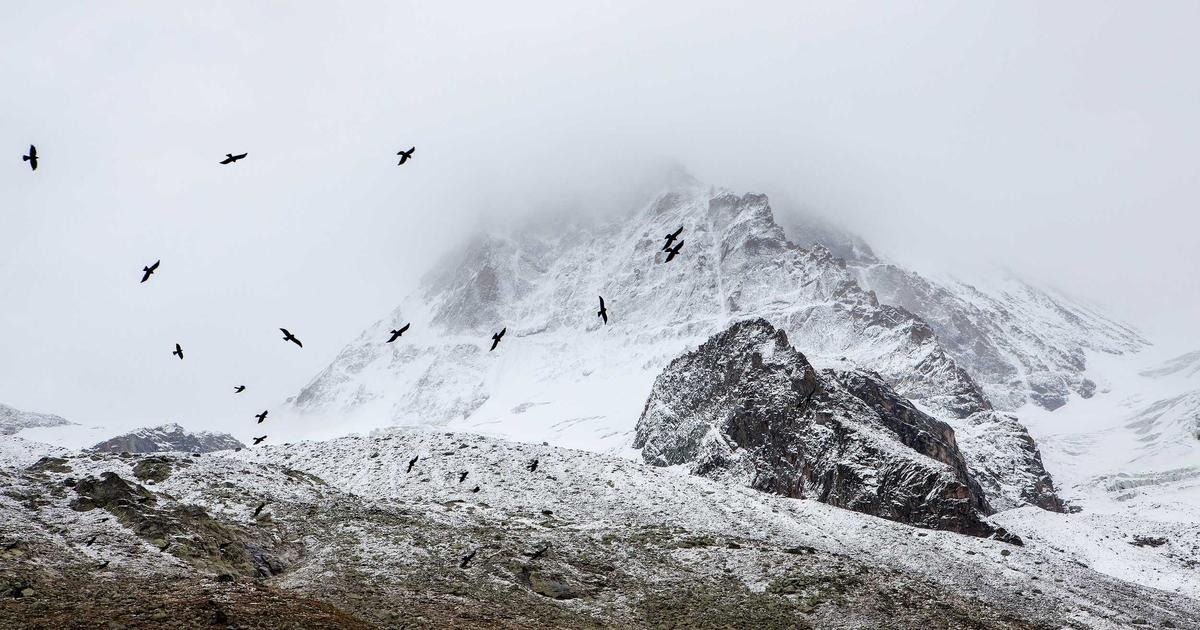
Mount Fuji attracts millions of tourists and climbers each year, serving not only as a natural wonder but also as a cultural symbol of Japan. The mountain's climbing season typically runs from early July to early September, with trails closing in October due to adverse weather conditions. The father-son duo's decision to ascend the mountain in mid-October further complicates the situation, as conditions can become treacherous.
Context: Climbing Culture in Japan
Japan has a long-standing tradition of mountain climbing, and Mount Fuji, being the highest peak in the country at 3,776 meters (12,389 feet), holds a special place in the hearts of many Japanese people. The mountain is often regarded as a spiritual symbol, with numerous shrines and religious practices associated with its landscape.
Despite its popularity, climbing Mount Fuji can be dangerous, especially for inexperienced climbers. The Japan Meteorological Agency issues regular weather updates, but those venturing onto the mountain must also rely on their judgment and preparedness. The incident involving the father and son highlights a troubling aspect of climbing culture: the need for stricter adherence to safety protocols and a better understanding of the risks involved.
Stakeholders Involved
- The Father: The main individual involved in the incident, whose decision to leave his son raises serious ethical and legal questions.
- The Son: A six-year-old boy who was left alone on a mountain, prompting concerns for his safety and well-being.
- Rescue Authorities: Local law enforcement and mountain rescue teams played a crucial role in locating the boy and bringing him back to safety.
- Public Opinion: The incident has sparked outrage and discussion among the Japanese public and international observers, many of whom are questioning the father’s judgement.
- Government and Safety Organizations: Authorities responsible for mountain safety and tourism are likely to reevaluate climbing guidelines in light of this incident.
Legal and Social Implications
The father’s actions could lead to serious legal consequences. Abandonment of a minor is a criminal offense in many jurisdictions, including Japan. Authorities are likely to pursue charges that could result in significant penalties, including fines or imprisonment. Furthermore, this incident may prompt a broader discussion regarding parental responsibilities in potentially dangerous situations, especially in a country known for its familial values.
Socially, this incident has ignited a debate on the adequacy of existing safety measures for mountain climbers in Japan. Several online forums and social media platforms are abuzz with opinions, ranging from calls for stricter regulations to discussions about the need for better education on climbing safety. Many climbers and outdoor enthusiasts are expressing concern about the implications this incident may have on future climbing seasons and the perception of the climbing community.
What Happens Next?
As the investigation into the incident continues, authorities will likely assess the father’s mental state and his understanding of the risks involved in leaving his son alone. Legal proceedings may take weeks or even months, depending on the complexity of the case and the evidence gathered during the investigation.
In the coming months, stakeholders in the climbing community, including local governments and safety organizations, may implement changes to climbing regulations. Potential measures could include:
- Mandatory Safety Briefings: Before allowing climbers to ascend, there could be mandatory briefings regarding safety protocols, particularly for families climbing with young children.
- Age Restrictions: Some routes may enforce age restrictions, especially for children, to ensure that they are accompanied by responsible adults at all times.
- Enhanced Signage: There may be increased signage on trails outlining the dangers of climbing with minors, along with guidelines for what to do in an emergency.
Additionally, public awareness campaigns may be launched to educate climbers about the risks of ascending Mount Fuji, particularly in the off-season. These efforts could target both local citizens and international tourists who may be unfamiliar with Japan's climbing culture.
Conclusion
The incident of a father leaving his young son on Mount Fuji serves as a stark reminder of the responsibilities that come with outdoor activities, especially those involving children. As Japan reflects on this event, it may lead to broader conversations about safety, parental responsibility, and the culture surrounding one of the country’s most iconic landmarks. It is essential for all climbers to prioritize safety and for parents to consider the physical and mental capabilities of their children when engaging in such activities. The repercussions of this incident will likely influence climbing practices and regulations in Japan for years to come.