Navigating the Cosmos: The Expansion of NASA's Deep Space Network
NASA has made significant strides in enhancing its communication capabilities with the recent expansion of its Deep Space Network (DSN). This network, which is crucial for communicating with spacecraft beyond Earth's orbit, will now include a new, massive dish located in the California desert. This addition is set to bolster NASA's ability to communicate with various missions exploring the solar system and beyond.
What Happened?
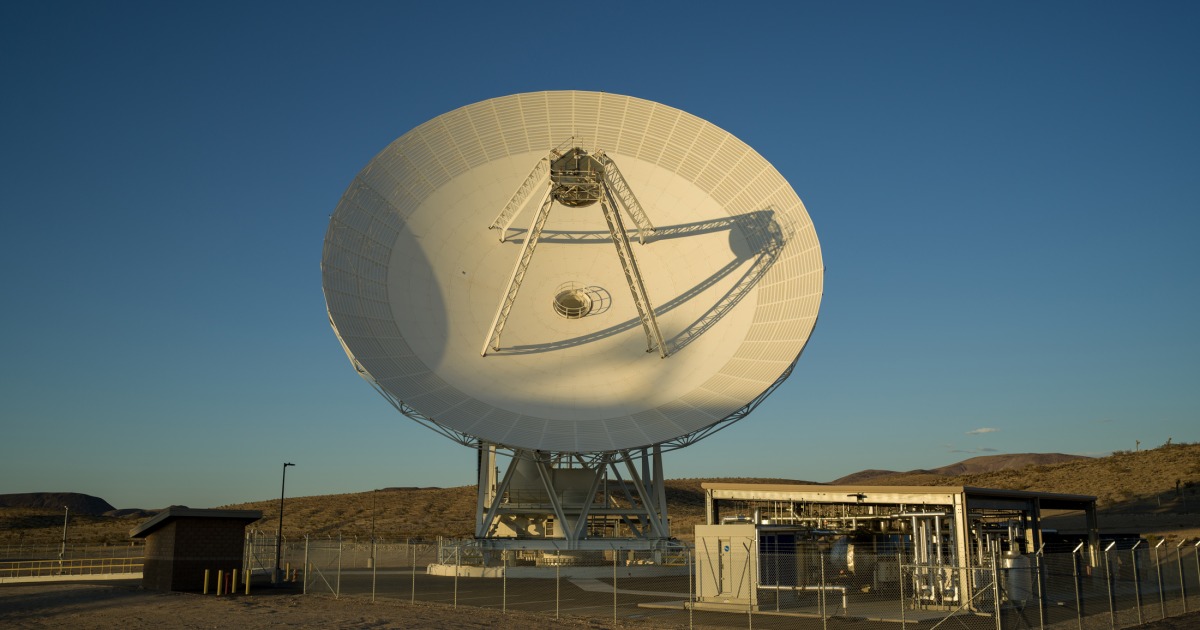
On [insert date], NASA announced the operational readiness of a new 70-meter (230-foot) dish at the DSN facility in Goldstone, California. This dish is part of a global network of antennas that supports interplanetary spacecraft missions by providing communication links for telemetry, tracking, and command. The Goldstone facility, one of three NASA DSN complexes worldwide, now features this state-of-the-art dish, which is designed to enhance the network's capability to receive data from far-flung missions.
Why It Matters
The expansion of the DSN is pivotal for several reasons:
- Increased Capacity: The new dish allows for greater communication bandwidth, which is essential as NASA embarks on more ambitious missions, including those to Mars, the Moon, and potentially beyond.
- Support for Future Missions: With planned missions such as the Artemis program, which aims to return humans to the Moon, and the Mars Sample Return mission, the DSN's expanded capabilities will ensure that data can be transmitted efficiently and effectively.
- Global Collaboration: The expansion supports not only NASA's initiatives but also partnerships with other space agencies and international projects, fostering collaboration in space exploration.
Context: The Deep Space Network
The DSN consists of three major complexes located in California, Spain, and Australia. This strategic placement allows for continuous communication with spacecraft as Earth rotates. The network has been the backbone of NASA's interplanetary missions since its inception in the 1960s, supporting historic endeavors such as the Apollo Moon missions, Voyager explorations, and recent Mars missions.
The addition of the new dish is particularly timely, as NASA is advancing on multiple fronts. The Artemis program, which aims to land the first woman and the next man on the Moon by 2025, requires robust communication systems to manage the complexities of human spaceflight. Similarly, the Mars Sample Return mission, a collaboration with the European Space Agency, is set to bring Martian samples back to Earth, necessitating reliable communication links during its execution.
What to Watch Next
The deployment of the new dish at Goldstone is only the beginning of a series of enhancements planned for the DSN. Here are some key developments to keep an eye on:
- Testing and Calibration: The new dish will undergo extensive testing to calibrate its systems and ensure it operates at optimal efficiency. This phase is critical to confirm that all systems are functioning before it fully supports ongoing and future missions.
- Integration with Existing Systems: The new dish must be integrated with the existing DSN infrastructure, which includes software and tracking systems. This integration will be crucial for seamless operations across NASA's various missions.
- Future Mission Launches: As NASA prepares for upcoming missions, particularly those related to the Artemis program and Mars exploration, the new dish’s capabilities will be put to the test. Watch for announcements regarding mission timelines and the specific roles the DSN will play.
Conclusion
The addition of the new giant dish at NASA's Deep Space Network is a significant milestone in the agency's ongoing efforts to enhance its capabilities for interplanetary communication. As NASA continues to push the boundaries of space exploration, the DSN's expansion will play a crucial role in supporting these ambitious missions. With an eye on the future, the agency is well-positioned to maintain its leadership in the quest to explore the cosmos.
For further information on this development, visit the original article from Space.