Introduction
The upcoming launch of NASA's space telescope marks a significant milestone in astronomical research, especially considering the tumultuous budgetary challenges it faced during the Trump administration. This telescope, designed to observe the universe in unprecedented detail, has the potential to revolutionize our understanding of cosmic phenomena. As it gears up for its mission, it's crucial to delve into the implications of its launch, the hurdles it overcame, and the future research avenues it may open.
What Happened?
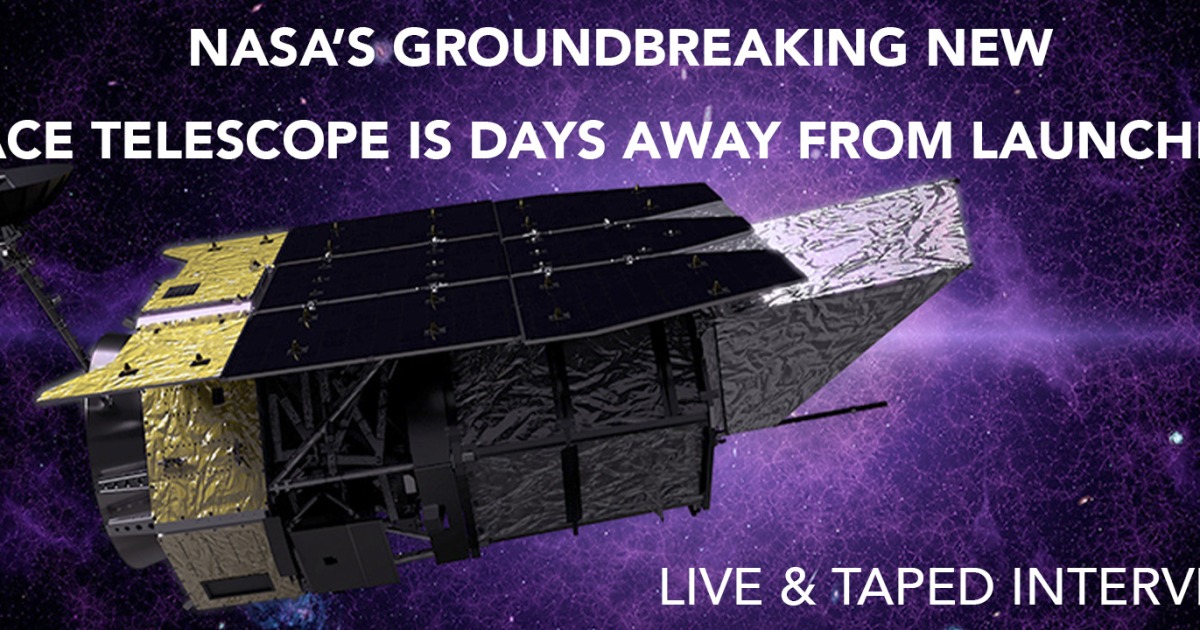
NASA's space telescope, initially conceived as a successor to the Hubble Space Telescope, is now on the launch pad, ready to embark on a mission that aims to deepen our understanding of the universe. The telescope is equipped with advanced technology that allows it to capture images in various wavelengths, including infrared, enabling it to peer through cosmic dust and observe celestial bodies that are otherwise obscured from view.
However, the road to this launch has not been easy. The project faced severe budget cuts during Donald Trump's presidency, with funding slashed significantly, threatening its viability. Many experts feared that these cuts would delay the launch indefinitely or compromise the telescope's capabilities. Yet, NASA managed to navigate these financial challenges, securing the necessary funding and support to bring the project to fruition.
Why It Matters
The launch of this telescope is not just a triumph of engineering; it represents a leap forward in our quest to understand the cosmos. The telescope's objectives include:
- Investigating the formation of galaxies: By observing distant galaxies, scientists hope to gather insights into how galaxies formed and evolved over billions of years.
- Studying exoplanets: The telescope will analyze the atmospheres of exoplanets, searching for signs of habitability and potentially even life beyond Earth.
- Examining dark matter and dark energy: Understanding these enigmatic components of the universe is crucial for grasping the fundamental forces at play in cosmic evolution.
This mission is expected to yield groundbreaking discoveries that could reshape our understanding of astrophysics and our place in the universe.
Context: The Role of Budget Cuts
The budget cuts experienced by NASA during the Trump administration were part of a broader trend of federal budget constraints affecting scientific research across various domains. These cuts led to significant delays in numerous projects, with NASA's space telescope being one of the most high-profile victims. The funding reductions not only threatened the telescope's launch timeline but also raised concerns about the broader implications for U.S. leadership in space exploration and scientific research.
Despite these challenges, NASA's ability to adapt and secure funding from various sources is a testament to its commitment to advancing scientific knowledge. The agency has often relied on collaborations with private companies and international partners to offset budget shortfalls, demonstrating the importance of cooperation in the field of space exploration.
Looking Ahead: What to Watch Next
As the launch date approaches, there are several key aspects to watch:
- Launch Preparations: The final stages of testing and preparation are critical for the success of the mission. Any delays or technical issues could impact the timeline.
- Public Engagement: NASA has been proactive in engaging the public with educational campaigns and outreach programs. Observing how the agency connects with both scientific communities and the general public will be interesting.
- International Collaborations: Given the global nature of space exploration, watching how NASA collaborates with international space agencies will provide insights into the future of scientific research.
- Initial Findings: Once the telescope is operational, the scientific community will eagerly await its first images and data. The initial findings will set the tone for subsequent research and exploration.
Conclusion
The launch of NASA's space telescope is a significant event in the landscape of modern astronomy. After overcoming the hurdles of budget cuts and project delays, the telescope is poised to open new windows into the universe, offering insights that could redefine our understanding of cosmic phenomena. As we approach its launch, the astronomical community and the public alike are filled with anticipation, eager to witness the next chapter in humanity's quest to explore the cosmos.