Understanding Lunar Eclipses
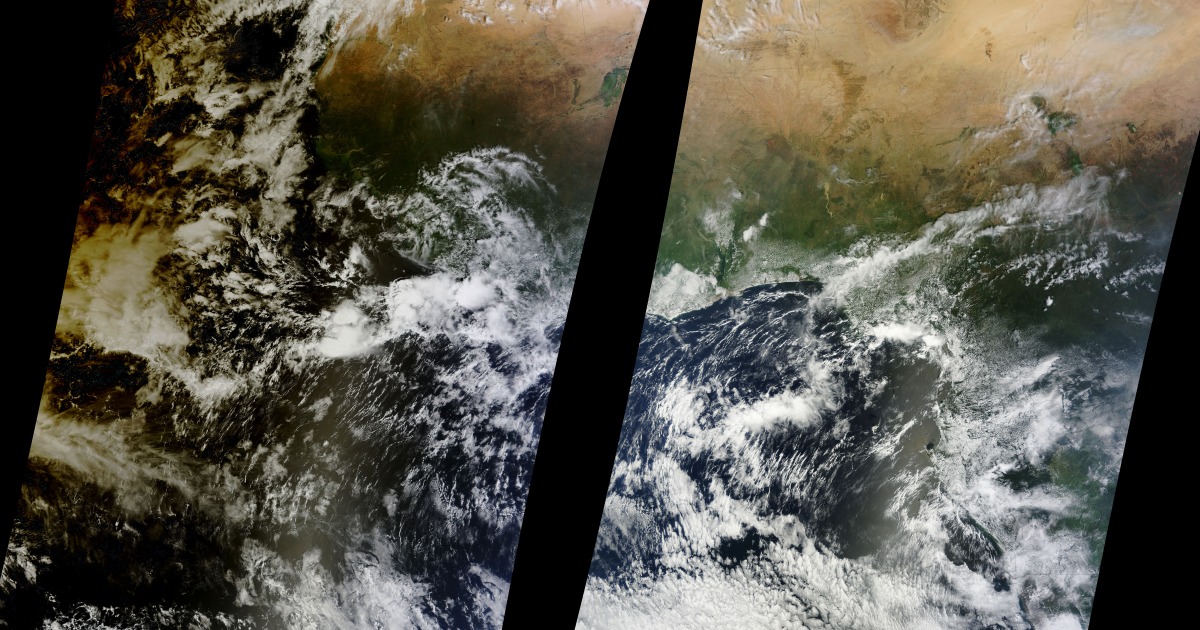
Lunar eclipses occur when the Earth passes between the Sun and the Moon, casting a shadow on the lunar surface. This celestial event not only captivates skywatchers but also serves as a crucial point of study for astronomers. Unlike solar eclipses, which are visible from a limited area on Earth, lunar eclipses can be seen from anywhere on the night side of the planet.
The Next Lunar Eclipses
As of today, the next lunar eclipse is set to take place on March 14, 2025, with a penumbral eclipse occurring on October 28, 2023. During this penumbral eclipse, the Moon will pass through the Earth’s outer shadow, resulting in a subtle shading that can be difficult to observe without keen eyes.
Details on the Upcoming Eclipses
- Penumbral Eclipse - October 28, 2023
- Start Time: 2:13 PM UTC
- Maximum Eclipse: 4:24 PM UTC
- End Time: 6:35 PM UTC
- Partial Lunar Eclipse - March 14, 2025
- Start Time: 3:15 AM UTC
- Maximum Eclipse: 5:00 AM UTC
- End Time: 6:45 AM UTC
Types of Lunar Eclipses
There are three main types of lunar eclipses: total, partial, and penumbral. Each type presents a different visual experience:
- Total Lunar Eclipse: This occurs when the Earth’s umbra completely covers the Moon. The Moon often appears a reddish color, leading to the term "Blood Moon."
- Partial Lunar Eclipse: In this case, only a portion of the Moon enters the Earth’s umbra, with part of the Moon darkened while the rest remains illuminated by the Sun.
- Penumbral Lunar Eclipse: This type occurs when the Moon passes through the Earth’s penumbral shadow. The shading is subtle and often hard to distinguish from the normal appearance of the Moon.
Why Lunar Eclipses Matter
Lunar eclipses offer more than just a breathtaking view; they provide significant scientific opportunities. Here are a few reasons why these events are vital:
- Study of the Earth’s Atmosphere: During a total lunar eclipse, scientists can study the Earth’s atmosphere based on how light refracts through it, providing insights into atmospheric conditions.
- Cultural Significance: Lunar eclipses have held cultural importance in many societies throughout history, often linked to myths and rituals. Understanding these events can help preserve cultural heritage.
- Astronomical Education: Lunar eclipses serve as an accessible introduction to astronomy for many people, encouraging public interest in science and space.
Viewing Tips
To maximize your experience during a lunar eclipse, consider the following tips:
- Find a Dark Location: Light pollution can hinder visibility. Seek out a location away from city lights.
- Use Binoculars or a Telescope: While lunar eclipses can be seen with the naked eye, using binoculars or a telescope can enhance the experience, allowing you to see more details on the Moon’s surface.
- Check the Weather: Cloud cover can obstruct your view, so it’s essential to check weather forecasts before the event.
What to Watch Next
After the upcoming lunar eclipses, skywatchers can look forward to more celestial events. Notably, the Perseid meteor shower in August and the Gemini meteor shower in December will provide additional opportunities for stargazing. Furthermore, the next total lunar eclipse will occur on March 14, 2025, marking a significant date for astronomy enthusiasts.
Conclusion
Lunar eclipses continue to be a source of fascination and study in the field of astronomy. The upcoming penumbral eclipse on October 28, 2023, and the partial eclipse on March 14, 2025, are not just visual events but also opportunities for education and exploration. Whether you're an experienced astronomer or a curious observer, these phenomena provide a unique connection to the cosmos.
Stay informed about upcoming celestial events and prepare to enjoy the beauty of the night sky. With a little preparation and the right conditions, you can witness the wonder of lunar eclipses and expand your understanding of our universe.