The world of college football is often filled with thrilling moments, unexpected outcomes, and passionate fan responses. Recently, Texas Longhorns head coach Steve Sarkisian made headlines after expressing his surprise regarding the behavior of Michigan fans following a controversial victory against Western Michigan. This incident has sparked discussions about sportsmanship, fan culture, and the emotional investment of supporters in college athletics. In this analysis, we will unpack what happened during the game, why it matters, and the broader context surrounding fan reactions in sports.
What Happened During the Game?
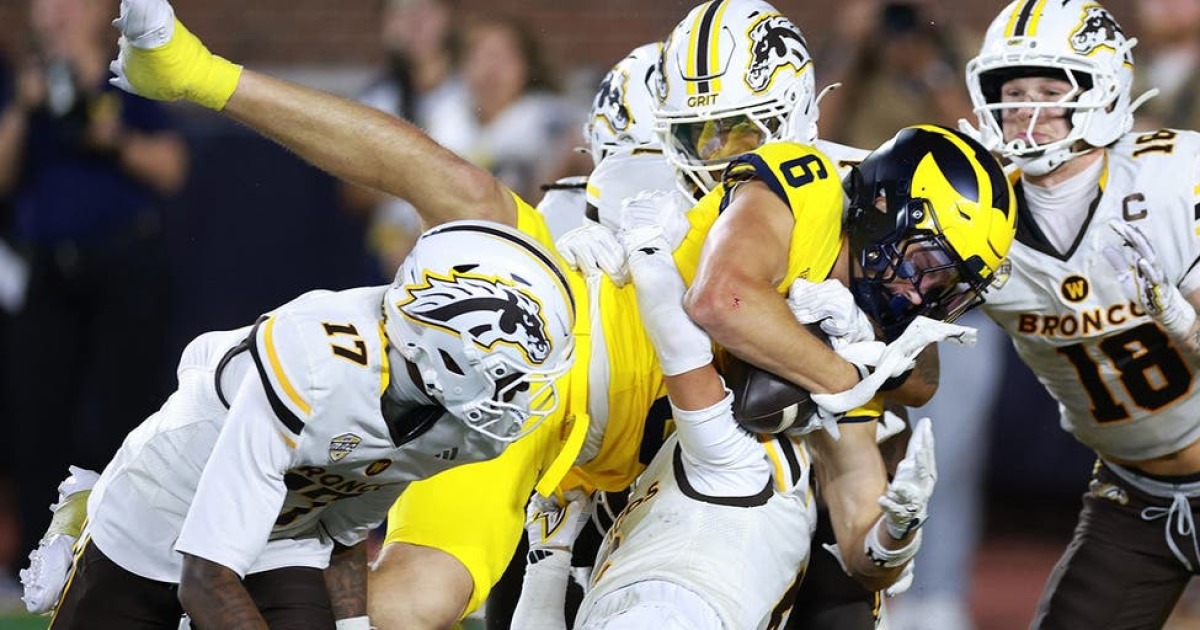
In a tightly contested matchup, the Michigan Wolverines faced off against the Western Michigan Broncos. The game, which ended with a narrow victory for Michigan, was marked by questionable calls and contentious moments that left fans on both sides feeling frustrated and exhilarated. As the final whistle blew, Michigan fans took to the field in celebration, a common practice in college football when a significant victory occurs.
However, what made this particular celebration noteworthy was the timing and context of the win. The Wolverines had entered the game as heavy favorites and were expected to dominate; instead, they struggled to secure the win. This discrepancy between expectations and reality led to mixed feelings among supporters. While victory is always cause for celebration, the nature of the game left many questioning whether a field storming was appropriate.
Why It Matters
Steve Sarkisian’s reaction highlights a growing concern regarding fan behavior in college sports. In recent years, there has been an increasing focus on the safety and appropriateness of fans storming the field after games. While many see it as a rite of passage and a celebration of victory, others argue that it can lead to dangerous situations both for players and fans alike.
Sarkisian's comments reflect a broader sentiment within the sports community that considers the implications of such actions. He reportedly stated he was 'shocked' by the storming, suggesting that the victory's merits were overshadowed by the chaotic aftermath. This reaction is indicative of a changing culture in college athletics, where the emphasis on player safety and respect for the game is becoming more pronounced.
The Role of Social Media
In today’s digital age, social media plays a significant role in shaping public perception and fan reactions. Videos and posts from the game quickly circulated online, showcasing the aftermath of the victory and the enthusiastic celebration of Michigan fans. Social media amplifies moments like these, often leading to heightened emotions and discussions about what constitutes acceptable behavior in sports.
Moreover, the way fans express their excitement has evolved, with platforms like Twitter, Instagram, and TikTok providing an avenue for real-time engagement. This immediacy can sometimes result in impulsive reactions, as fans are eager to share their experiences and opinions. Sarkisian's comments may resonate with many who are concerned about the potential for mob mentality to take over, leading to situations that could escalate beyond celebration.
The Broader Context of Fan Behavior
Field storming is not a new phenomenon in college sports; it has been a tradition for decades. However, the frequency and intensity of these events have led to increased scrutiny. Critics argue that field storming can undermine the respect and integrity of the sport, especially when the outcome of a game is overshadowed by chaos. There is also a risk of injury to players and fans alike, as crowds can become unruly.
In light of recent incidents, several athletic departments have begun implementing policies aimed at curbing unsafe celebrations. These measures often include penalties for fans who storm the field, as well as increased security presence to manage the situation. As college sports continue to evolve, navigating the balance between tradition and safety remains a pressing challenge for institutions.
What is the Ripple Effect?
The reactions from Sarkisian and other coaches can have a ripple effect throughout the college athletics community. As leaders in their respective programs, coaches are often viewed as role models for fans and players alike. Their perspectives on issues such as sportsmanship and fan behavior can influence how these topics are discussed and perceived by the public.
Furthermore, discussions around fan behavior can lead to broader conversations about the culture of college sports, including issues of entitlement, respect for opponents, and the responsibility of fans to uphold the integrity of the game. As more voices join the conversation, there is potential for change in how fans engage with the sport, which could ultimately affect the atmosphere of college football games.
What to Watch Next
As the college football season progresses, all eyes will be on how different programs respond to the issue of fan behavior. Will more schools adopt stricter policies regarding field storming? How will coaches like Sarkisian continue to address the implications of such actions in their post-game comments? Additionally, it will be interesting to see how fan culture evolves in response to these discussions.
Moreover, the Michigan Wolverines will likely face increased scrutiny in their upcoming games. Fans and analysts alike will be watching to see if they continue to celebrate in the same manner, or if they take a more measured approach given the reactions from notable figures in the sport.
Finally, as college football continues to capture the attention of millions, the intersection of fan engagement, sportsmanship, and safety will remain a critical area of focus. The way fans choose to celebrate victories—and how those celebrations are perceived—could shape the future landscape of college athletics.
In conclusion, Steve Sarkisian’s comments regarding the Michigan fans’ behavior following their recent game underscore the complexities surrounding fan interaction in college sports. As the dialogue continues, it is essential to consider the implications of these actions and how they reflect broader cultural shifts within the realm of athletics.